Semantic Content Plan for a Website — What Is It and Why Is It Important?
A semantic content plan is a strategy for creating a structure and hierarchy of content on a website, taking into account not only keywords but also their context, relationships between them, and user intent. It makes the content easy to understand for users and search engines, which affects SEO and the visibility of the website.
Key Elements of a Semantic Content Plan
- Topic-Based Content: Instead of focusing on individual keywords, we build content around specific topics and related issues (so-called topic clusters).
- Hierarchy of Headings (H1-H6): The logical organization of content makes it easier for both users and search engines to understand the structure of the page.
- Internal Linking: Appropriate linking between pages helps build context and strengthen the semantics of the content.
- Natural Language and User Intent: Taking into account different user queries (e.g. informational, navigational, transactional) allows us to provide more valuable content.
- Data Structure (schema.org): Enriching the website with structured data improves Google’s interpretation of the content and can increase visibility in search results (e.g. through rich snippets).
Why Is a Semantic Content Plan Important?
- It Improves SEO: Thanks to it, search engines understand the content better, which increases its visibility.
- It Increases Usability: Users find the information they need faster.
- It Supports the Content Marketing Strategy: A well-thought-out plan helps create more comprehensive content.
- It Facilitates Website Development: A clear structure makes it easier to add new subpages and content.
If you are creating a website and want it to be of high quality and occupy top spots in search engines, it is worth developing a semantic content plan at the design stage.
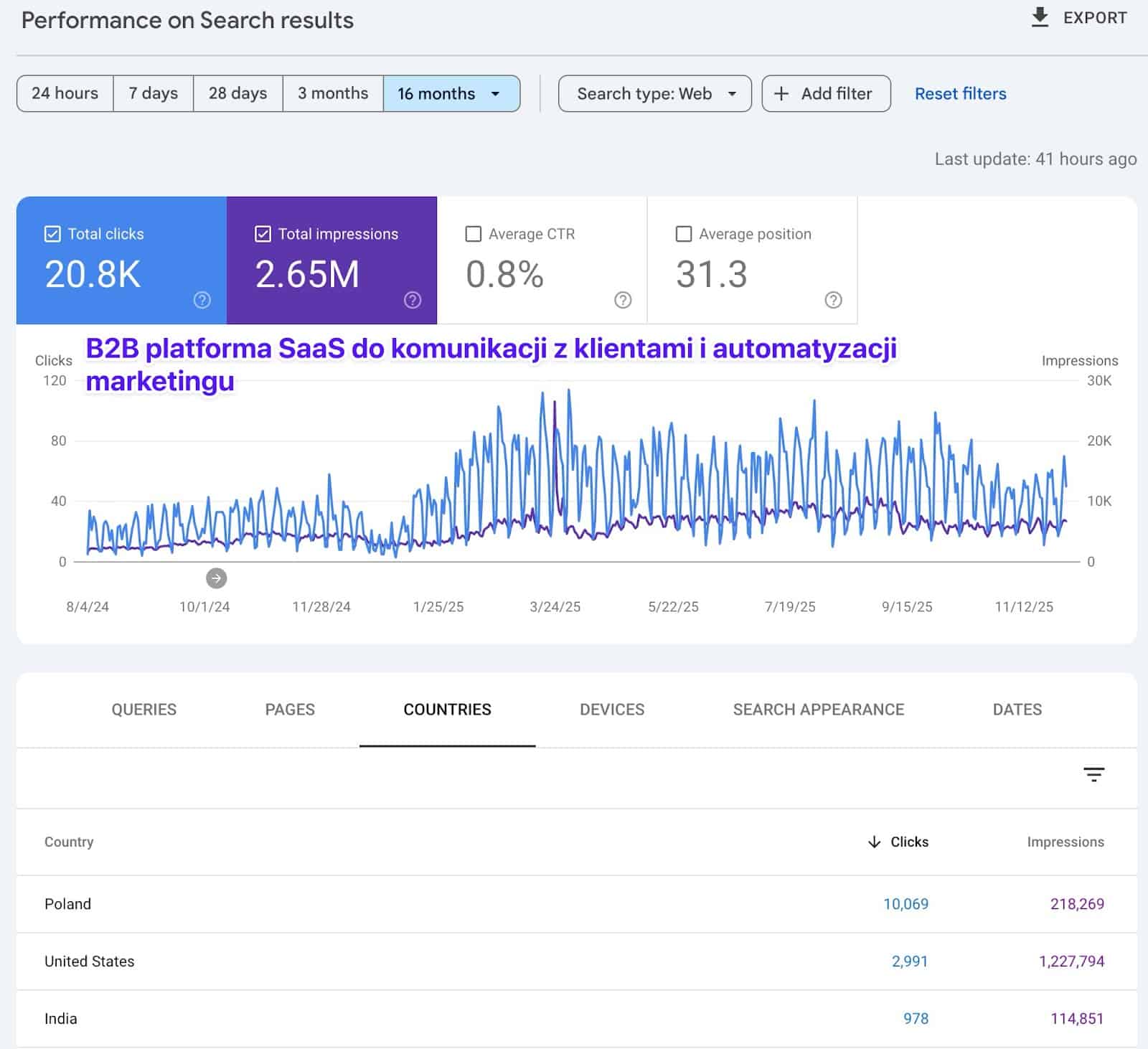
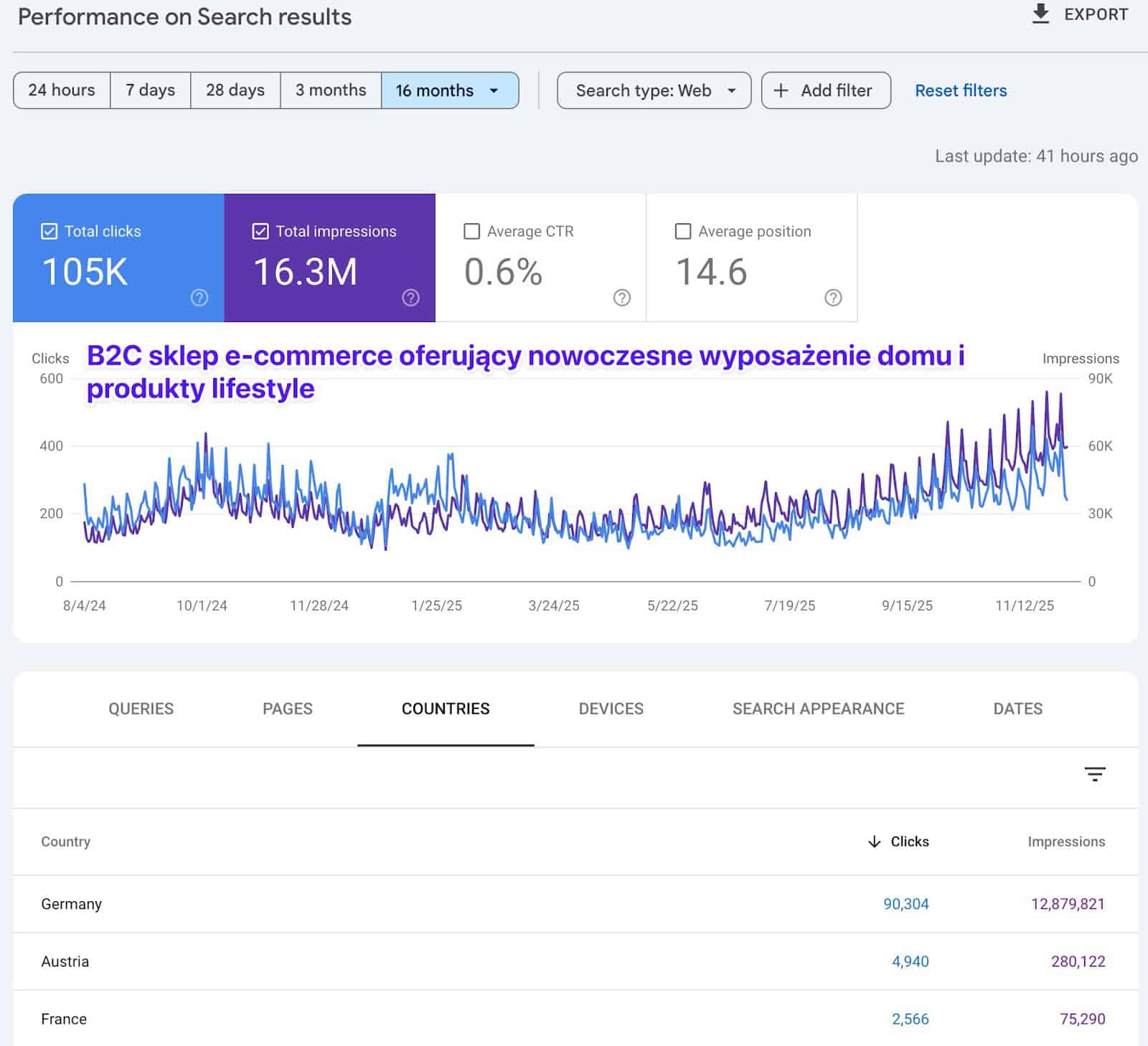
B2B Vs B2C Content Marketing – Differences In Approach
Effective content marketing requires adapting the strategy to your business specifics. In the B2B segment, customers make purchasing decisions based on data, analysis, and long-term benefits.
B2B Content Marketing Characteristics:
- Substantive content based on data and case studies
- Longer formats – whitepapers, reports, detailed expert articles
- Focus on ROI and measurable business benefits
- Channels: LinkedIn, industry portals, webinars, direct mail
In B2C, emotions play a key role. Customers make decisions faster, often impulsively, so content should be engaging, visual, and easy to digest.
B2C Content Marketing Characteristics:
- Storytelling, emotions, and brand relationships take priority
- Shorter formats – posts, short videos, infographics
- Social proof, reviews, and recommendations as main trust-building tools
- Channels: Instagram, TikTok, Facebook, YouTube, influencer marketing
Choosing the right approach affects all strategy aspects – from budget to success metrics. B2B requires greater expert involvement and longer content creation processes, but generates higher customer LTV. B2C allows more creativity and faster testing, but requires more frequent content refreshing and greater social media activity.
Multi-Channel Content Distribution
One piece of content can work for you in multiple places simultaneously. Blog articles are the foundation of SEO strategy, but this potential should be leveraged more broadly.
How We Adapt One Article For Different Channels:
- LinkedIn – a series of expert posts with key insights from the article
- Instagram – carousel or infographic with main conclusions
- Newsletter – summary with personal commentary and additional tips
- YouTube/Podcast – topic expansion in video or audio format
The key is adapting the format to channel specifics and its users. Publishing timing also matters – LinkedIn works best during business hours, Instagram in evenings, and newsletters on Wednesday mornings.
Each channel has its role in the buying journey – social media builds awareness, blogs educate, and email nurtures potential customers. Through a cohesive multi-channel strategy, your brand is present where your customers are, and a single content works for you in multiple places simultaneously.
Content Marketing Trends 2025
2025 brings significant changes in how content is created and consumed. Companies must adapt their strategies to new audience expectations and technological possibilities.
Most Important Content Marketing Trends 2025:
- AI In Service Of Creativity – AI tools help with research, optimization, and content personalization, but unique insights, expertise, and fresh perspectives remain most important
- Interactive Content – quizzes, calculators, diagnostic tools engage users much more than static articles and generate valuable data about audience preferences
- Video And Live Streaming Dominance – short videos and livestreams become the primary communication format, especially on social media
- Real-Time Personalization – algorithms allow adapting content to individual user preferences at the moment of site visit
- Voice Search And Audio Content – voice query optimization requires natural language, and corporate podcasts gain popularity among busy professionals
Optimizing Existing Content
Your old articles are gold that often lies undiscovered. Instead of creating everything from scratch, it’s worth systematically updating and optimizing existing content. Search Console analysis shows which articles are close to Google’s first page – often, minor optimization is enough to significantly improve their positions.
The process starts with a technical audit – we check current positions, organic traffic, and growth potential. We identify content in positions 11-20 with the greatest advancement potential. Then we update data, add new information, and optimize for current keywords. Often it’s worth expanding content, adding new sections, or improving header structure.
Competitor analysis shows what can be added to existing articles. If competitors cover aspects we’re missing, we fill those gaps. We also check current search trends – new user questions might have appeared that are worth answering.
We don’t forget internal links – new articles are opportunities to link to older content, strengthening their authority. Updating meta descriptions, titles, and adding structured data can significantly improve CTR from search results. This investment pays back quickly and effectively.
Content Marketing Mistakes And How To Avoid Them
Content marketing is a powerful tool, but only when executed well. Unfortunately, many companies make the same mistakes that limit their effectiveness and waste their budget. Knowing the most common pitfalls allows avoiding them and building a more effective content strategy.
Most Common Content Marketing Mistakes:
- Lack of Clearly Defined Strategy – publishing content “because we have to,” without defining business goals, target audience, and KPIs for measuring success
- Ignoring Target Customer Model – creating content “for everyone” instead of focusing on specific needs and problems of target audiences
- Publication Irregularity – chaotic schedule that doesn’t build habits in audiences
- Focusing Only on Sales – every piece of content as a sales attempt instead of providing value and building trust
- Lack of Competitor Analysis – creating content in a vacuum, without checking what already exists in the industry and how to stand out
- Omitting SEO Optimization – great content that isn’t found by search engines due to a lack of text optimization
- Not Measuring Results – not tracking metrics like organic traffic, time on page, conversions, or social engagement
The key to success is a holistic approach – from strategy through execution to results analysis. Every piece of content should have a clear purpose, be adapted to the audience and the distribution channel.