

The Internet is now used by more than 5.56 billion people worldwide, and that number is growing every second. Companies are increasingly shifting their advertising budgets from traditional channels to the web, where they can reach a precisely defined target audience at a fraction of the cost. In 2025, online marketing is no longer an additional option, but the foundation of any successful business strategy, regardless of industry or company size.
In this article you will learn about the different types of online marketing, their advantages and practical tips for implementing an effective e-marketing strategy. We will show you how to use digital marketing tools to increase brand recognition, attract new customers and increase sales. Whether you run a small local business or manage a large company, this information will help you make better marketing decisions.
Definition of internet marketing
Internet marketing is the comprehensive process of promoting and selling products or services using digital media. Also referred to as e-marketing, online marketing or digital marketing, the term encompasses all marketing activities carried out via the Internet. It’s a strategic approach that goes beyond mere advertising, combining elements of communications, analytics, consumer psychology and technology.
The origins of online marketing can be traced back to the 1990s, when, with the growth of the Internet, companies began to recognize the potential of the Web as a channel for communicating with customers. From simple banner ads and mailings, to the social media revolution, to today’s sophisticated marketing automation and content personalization systems, the evolution reflects changing technologies and consumer behavior.
Modern online marketing is an ecosystem of interconnected channels and tools:
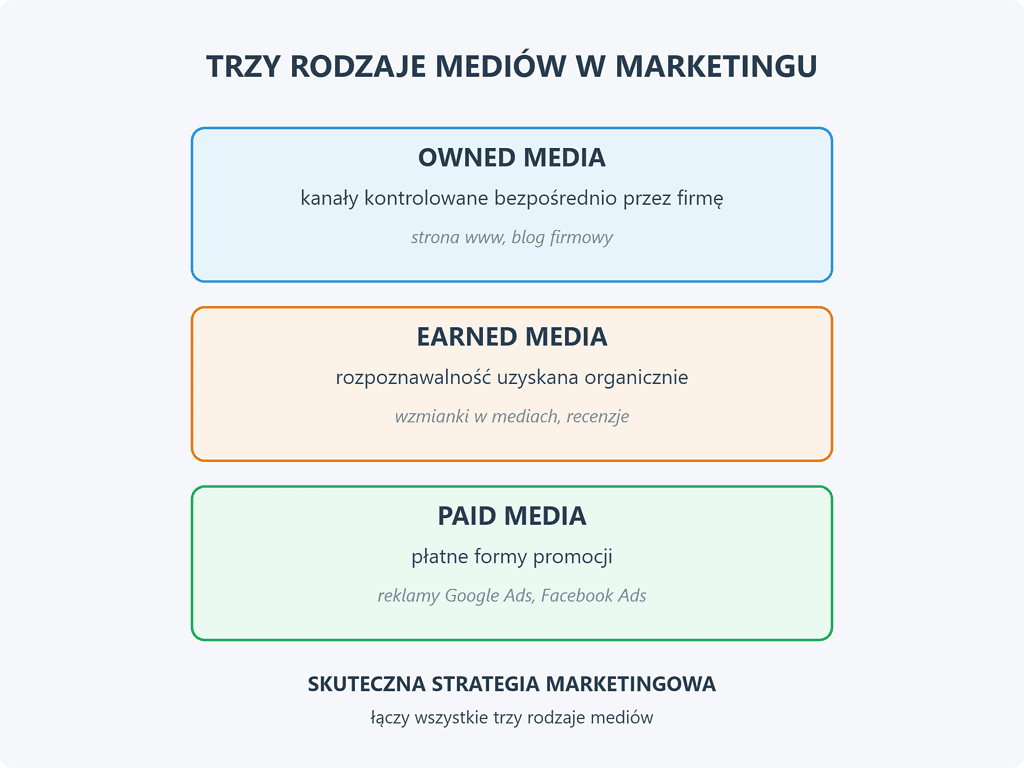
Unlike traditional forms of marketing, online efforts enable precise targeting, immediate campaign modification and detailed real-time analysis of results to optimize return on investment (ROI).
Traditional marketing vs internet marketing
The differences between traditional and online marketing are significant and affect how companies plan and execute their marketing strategies. The table below outlines the key differences between the two approaches:
| Aspect | Internet marketing | Traditional marketing |
|---|---|---|
| Form of the message | Multimedia, interactive | Static, one-sided |
| Targeting | Precise, data-driven | Mass, less specific |
| Cost | Relatively low, scalable | High, constant regardless of effects |
| Availability | 24/7, global reach | Time and geographically limited |
| Measurability | Easy to measure, real-time analytics | Difficult to measure, lack of precise data |
| Flexibility | Ability to modify quickly | Limited possibility of changes |
| Communication | Two-way, interactive | One-way |
| Personalization | High level of personalization | Limited personalization |
Online marketing provides companies with the ability to run personalized campaigns that reach a precisely defined target audience, while traditional marketing typically covers a broader, less defined audience segment.
However, digital marketing does not have to completely replace traditional marketing. In many cases, the most effective marketing strategies combine the two approaches to create an integrated omnichannel marketing strategy that reaches customers through a variety of channels to provide a consistent brand experience.
Main types of Internet marketing
Online marketing encompasses many different techniques and channels that can be used to promote products and services. The following are the most important types of online marketing to include in your strategy.
SEO – website positioning
SEO (Search Engine Optimization) is the process of optimizing a website to rank as high as possible in organic (non-paid) search results. The goal of SEO is to increase a site’s visibility in search engines, which translates into more organic traffic and potentially more conversions.
SEO activities are divided into:
- On-site SEO – activities performed directly on the site:
- optimization of content for keywords
- improving the structure and navigation of the site
- optimization of meta tags
- improve loading speed
- optimization for mobile devices
- Off-site SEO – activities conducted off-site:
- link building (acquiring links from other sites)
- social media presence
- Local SEO (Google Business Card optimization).
- building an online reputation
SEO is a long-term strategy that requires time and patience. The first effects of SEO can be seen after 3-6 months, and even after a year or more for competitive industries. However, well-conducted SEO ensures lasting results and a steady flow of potential customers for a long time.
At NON.agency, we deliver effective SEO strategies based on data and years of experience. Our comprehensive approach includes both technical optimization and strategic content tailored to your industry. Contact us to increase the organic visibility of your business on search engines.
SEM – search engine marketing
SEM (Search Engine Marketing) is search engine marketing, which includes both SEO efforts and paid search engine advertising (PPC – Pay Per Click). The most popular tool for running SEM campaigns is Google Ads.
Google Ads allows you to display ads in:
- Search networks (text ads on top of search results)
- advertising network (banners on Google partner sites)
- YouTube
- Google Maps
- Gmail
- mobile applications
The main advantages of Google Ads:
- immediate effects (ads can be seen immediately after launch)
- precise targeting (demographic, geographic, behavioral)
- Budget control (you only pay for clicks or displays)
- measurability of results
- flexibility (ability to quickly modify the campaign)
SEM is especially effective when a potential customer is actively searching for the products or services you offer. Users searching for specific search terms are often closer to a purchase decision than those encountering an ad by chance.
Social Media Marketing
Social media marketing is the use of social media platforms to promote products and services, build brand awareness and engage users. Social media marketing enables two-way communication, building a community around a brand and reaching new audiences.
The most popular social media platforms are:
- TikTok
- X (formerly Twitter)
- YouTube
We can divide social media marketing into:
- Organic marketing – free activities consisting of:
- maintaining company profiles
- publishing engaging content
- user interaction
- community building
- Paid marketing – social media ads:
- Facebook Ads (also Instagram)
- LinkedIn Ads
- TikTok Ads
- YouTube ads
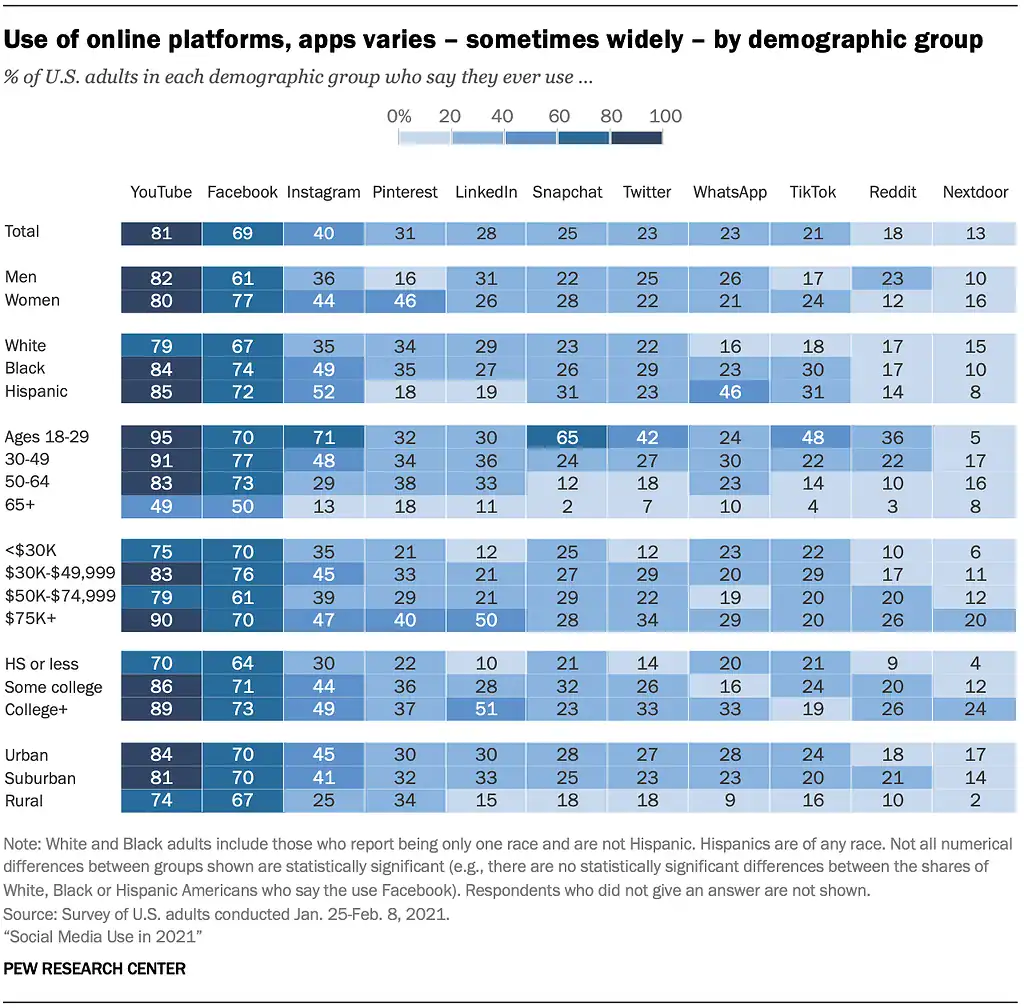
The choice of platforms should depend on where your target audience is located. For example, this is the demographic breakdown of social media users in the United States:
Content marketing
Content marketing (content marketing) is a marketing strategy of creating and distributing valuable, relevant and consistent content that attracts and retains a specific audience. The goal of content marketing is to build an expert image, educate customers and, ultimately, get them to take a desired action, such as buying or registering.
Popular content marketing formats:
- blog articles
- e-books and guides
- infographics
- webinars and podcasts
- case studies
- instructional videos
- industry reports
Content marketing works closely with SEO, providing valuable content that can be positioned in search engines. Effective content marketing focuses on solving audience problems rather than directly promoting products.
When creating a content marketing strategy, it is worthwhile:
- identify the needs and problems of the target group
- perform a keyword analysis
- create a publication calendar
- prepare high quality content
- distribute content through various channels
- monitor the effects and optimize the strategy
E-mail marketing
E-mail marketing is one of the oldest but still most effective forms of Internet marketing. It involves sending emails to a group of recipients to build relationships, increase brand awareness and promote products or services.
Main forms of e-mail marketing:
- newsletters
- promotional mailings
- automatic e-mail sequences
- transactional news
- Welcome and onboarding emails
- Emails to rescue abandoned shopping carts
Key elements of effective email marketing:
- Building a valuable database of e-mail addresses (always with the consent of the recipients)
- segmentation of the base based on behavior and preferences
- content personalization
- attractive news topic
- valuable and engaging content
- clear call-to-action
- testing and optimization
Email marketing boasts one of the highest ROI (return on investment) rates among digital marketing channels. It is estimated that it can be up to 3800%!
Video marketing
Video marketing is a strategy that uses video content to promote products, services or brands. In recent years, video marketing has become one of the fastest growing areas of online marketing, mainly due to the growing popularity of platforms such as YouTube, TikTok and Instagram Reels.
Types of video content in marketing:
- product and demonstration videos
- tutorials
- webinars and online workshops
- interviews with experts
- coverage of events
- videos showing the company from behind the scenes
- animation and motion graphics
- live streaming
Advantages of video marketing:
- high audience engagement
- the ability to convey complex information in an accessible manner
- viral potential
- positive impact on SEO
- Building trust and relationships with your audience
According to WP Tech, Facebook alone records 8 billion video views – per day! And that’s barely one of many extremely popular platforms offering such content.
Other types of internet marketing
In addition to the main forms of online marketing, there are several other important strategies worth noting:
Affiliate marketing
Affiliate marketing involves working with external partners (affiliates) who promote a company’s products or services in exchange for a commission on sales or leads generated. It’s a performance-based marketing model, where you only pay for actual results achieved.
Influencer marketing
Influencer marketing is working with individuals with large social media followings to promote products or services to their followers. The effectiveness of influencer marketing is based on the trust that observers have in the influencer, which translates into higher levels of engagement.
The AI revolution in the world of influencer marketing is already underway. Don’t miss this change – turn on the latest episode of the Global Horizons podcast!
Viral marketing
Viral marketing is a marketing strategy that encourages audiences to voluntarily share content with others, leading to an exponential increase in reach. Viral campaigns often rely on emotion, humor or surprise to get users to share them.
Mobile marketing
Mobile marketing focuses on reaching users through mobile devices such as smartphones and tablets. In view of the fact that more and more people are accessing the Internet mainly via mobile devices, this type of marketing is becoming indispensable.
Whisper marketing
Whisper marketing involves generating positive reviews and recommendations among consumers. It capitalizes on people’s natural inclination to share experiences and recommend products they find valuable.
Remarketing
Remarketing is a marketing technique that involves targeting ads to users who have previously visited a website or interacted with a brand. It helps convince undecided customers and increase the conversion rate.
Benefits of implementing internet marketing
Internet marketing offers many advantages over traditional forms of promotion. Here are the most important ones:
Global reach at a lower cost
Marketing on the Internet allows you to reach customers worldwide, regardless of the size of your company or your marketing budget. Unlike traditional marketing, which often requires a lot of money, e-marketing offers solutions to suit a variety of budgets, and costs are usually lower per customer acquired.
Precise targeting
Thanks to advanced analytical tools, online marketing allows very precise targeting of audience groups based on:
- demographic data (age, gender, location)
- interests and behaviors
- search histories
- purchase history
- stage of the purchase path
This ensures that the ads reach the people most likely to be interested in the offer.
Measurability and analytics
Internet marketing offers an unprecedented opportunity to accurately measure the effects of marketing efforts. With tools like Google Analytics, you can track:
- number of visits to the site
- traffic sources
- time spent on the site
- conversion rates
- ROI of the campaign
This knowledge allows for continuous optimization of strategy and budget allocation where it yields the best results.
Personalizing the message
E-marketing makes it possible to personalize communications to the individual needs and preferences of the audience, which increases the effectiveness of the message. Personalization can involve:
- contents of emails
- product recommendations
- promotional offers
- content on the website
Interactivity and relationship building
Internet marketing enables two-way communication with customers, which fosters long-term relationships. Companies can:
- respond to comments on social media
- have a dialogue via chatbots
- collect opinions and reviews
- engage the audience in discussions
Flexibility and speed
In online marketing, you can quickly modify strategies and respond to changing market conditions. Campaigns can be started, stopped or modified in real time, and the effects of these changes are visible almost immediately.
Process automation
With marketing automation tools, many routine marketing tasks can be automated, saving time and resources. Automation can include:
- emailing
- publishing posts on social media
- content personalization
- scoring of leads
- campaign nurturing
How to create an effective internet marketing strategy
Creating an effective online marketing strategy requires a systematic approach and consideration of many factors. Here are the key steps in the process:
1. identify business objectives
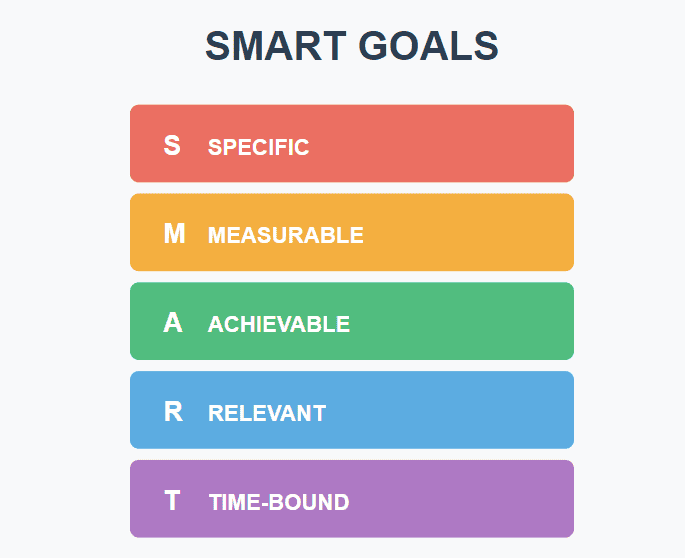
Before you start planning marketing activities, you need to clearly define what you want to achieve. Goals should be SMART (Specific, Measurable, Achievable, Relevant, Time-bound).
Sample targets:
- Increase sales by 20% in 6 months
- Acquisition of 1,000 new leads per quarter
- increase in organic traffic to the site by 30% per year
- Increase brand awareness among a specific target group
2. getting to know the target group
Understanding the needs, problems and behaviors of your target audience is the foundation of a successful marketing strategy. It’s worth creating detailed buyer personae that represent typical representatives of your target audience.
Elements to include in personas:
- demographics (age, gender, location, income)
- education and occupation
- goals and challenges
- sources of information
- purchasing decision-making process
- preferred channels of communication
3. competitive analysis
Analysis of competitors’ marketing activities can provide valuable information about:
- Effective communication channels in your industry
- popular keywords
- gaps in the market that you can exploit
- positioning of competitive brands
4. selection of marketing channels
Based on previous analysis, choose marketing channels that best suit your target audience and business goals. Instead of trying to be present everywhere, it is better to focus on a few channels and do them really well.
Factors affecting channel selection:
- characteristics of the target group
- the type of products or services offered
- marketing budget
- resources (time, skills)
- business goals
5. creating a content strategy
Content is the heart of most online marketing strategies. Plan:
- the types of content you will create
- topics and keywords
- frequency of publication
- distribution channels
- measures of success
6. setting the budget
Determine how much money you can allocate to marketing activities and how to distribute them most effectively among different channels. It is worth starting with smaller investments and gradually increasing the budget in the areas that yield the best results.
7. implementation, measurement and optimization
Once the campaign is launched, the key is:
- regular monitoring of results
- KPI (Key Performance Indicators) analysis
- testing of different approaches (A/B testing)
- Campaign optimization based on the collected data
- iterative strategy refinement
The most common mistakes in online marketing
Even experienced marketers make mistakes. Here are the most common pitfalls to avoid:
No clearly defined strategy
Operating without a coherent strategy leads to scattered resources and inconsistent messages. Always start with clearly defined goals and an action plan. An effective marketing strategy should define specific KPIs, a schedule of activities and a budget for each channel. The absence of these elements often leads to inefficient spending and difficulties in evaluating the effectiveness of the activities undertaken.
Ignoring data and analytics
One of the biggest advantages of online marketing is the ability to measure results. Failure to take advantage of this opportunity is a missed opportunity to optimize operations and increase ROI. Regular monitoring of key indicators allows you to react quickly to changes in user behavior and adjust campaigns in real time.
Failure to adapt to mobile devices
More than half of internet traffic comes from mobile devices. Websites and marketing campaigns that are not optimized for mobile devices lose a significant portion of potential customers. Google uses mobile-first indexing, which means that the mobile version of a site is prioritized when determining its position in search results.
Lack of regularity and consistency
Success in online marketing requires regularity and patience. Single actions rarely have long-lasting effects – the key is consistent action.
Neglecting UX and site speed
Even the best marketing campaigns won’t work if users end up on a slow, unresponsive site. Site usability and speed are the cornerstones of successful online marketing.
Focus on quantity, not quality
In the era of content marketing, many companies focus on producing a lot of content instead of quality. It’s better to create less, but more valuable materials that really meet the needs of your audience.
Summary
Internet marketing is not just the future of promotion – it is its present. In a world where more than 5 billion people use the Internet and consumers are spending more and more time online, an online presence is becoming crucial for any business. Successful online marketing requires a strategic approach, an understanding of various digital channels and constant adaptation to changing trends and consumer behavior.
Regardless of the size of your company or the industry you operate in, digital marketing offers tools and strategies that can help you reach potential customers, build a strong brand and increase sales. Remember that the best results are achieved by combining different types of online marketing into a cohesive omnichannel strategy that provides customers with a unified experience at every stage of their purchase path.